
Leveraging AI for Podcast Production: Enhancing Quality and Trust

Updated: Apr 22
One of the most practical and widely accepted uses of AI in podcasting is noise reduction. Background noise, hums, hisses, and other unwanted sounds can distract listeners and reduce the perceived professionalism of a podcast. AI-powered noise reduction tools analyze audio tracks and intelligently remove these disturbances without affecting the speaker’s voice.

Using AI for Noise Reduction to Improve Audio Quality in Podcast Production
How AI Noise Reduction Works
AI noise reduction uses machine learning models trained on large datasets of clean and noisy audio. These models learn to distinguish between speech and noise patterns. When applied to a podcast recording, the AI filters out noise frequencies and enhances voice clarity. This process is often faster and more effective than traditional manual editing.
Benefits for Podcasters
Improved listener experience: Clear audio keeps audiences engaged and reduces fatigue.
Time savings: Automated noise removal cuts down hours of manual editing.
Cost efficiency: AI tools reduce the need for expensive studio equipment or professional editors.
Accessibility: Podcasters working in less-than-ideal environments can still produce high-quality content.
Popular AI Noise Reduction Tools
Adobe Enhance Speech: Offers one-click noise removal and voice enhancement.
Krisp: Removes background noise in real-time during recording or calls.
RX by iZotope: Industry-standard audio repair suite with AI-powered modules.
Podcasters with an established brand can use these tools to maintain consistent audio quality across episodes, reinforcing their reputation for professionalism.
Ethical Challenges and Risks of Voice Cloning
Voice cloning technology uses AI to create synthetic replicas of a person’s voice. While this can be useful in some contexts, it poses significant ethical challenges for podcasters.
What Is Voice Cloning?
Voice cloning involves training AI models on recordings of a speaker’s voice to generate new speech that sounds like them. This technology can produce realistic voiceovers, read scripts, or even simulate conversations.
Why Voice Cloning Can Undermine Trust
Authenticity concerns: Listeners expect podcasts to feature genuine voices and real conversations. Synthetic voices can feel deceptive.
Consent and misuse: Using someone’s cloned voice without permission can violate privacy and intellectual property rights.
Manipulation risks: Cloned voices could be used to spread misinformation or fake endorsements.
Brand damage: If listeners discover synthetic voices, they may lose trust in the podcast’s integrity.
When Voice Cloning Might Be Appropriate
For accessibility, such as creating audio versions of text for hosts unable to record.
To recreate lost or unavailable voices with explicit consent.
In fictional or scripted podcasts where synthetic voices are clearly disclosed.
Podcasters should weigh these factors carefully and prioritize transparency with their audience.

Opportunities for Brands Using AI in Podcasting
Brands sponsoring or producing podcasts can benefit from AI in numerous and diverse ways, but they must carefully balance the drive for innovation with a strong sense of ethical responsibility. As the podcasting landscape continues to evolve, the integration of AI technologies presents a wealth of opportunities that can enhance the overall quality and reach of audio content while also ensuring that listeners feel respected and valued.
Enhancing Production Efficiency
AI tools have the potential to significantly speed up various aspects of podcast production, including editing, transcription, and content repurposing. For instance, automated editing software can quickly identify and remove unwanted pauses, filler words, and background noise, allowing producers to focus on the creative aspects of their work rather than getting bogged down in technical adjustments. Furthermore, AI-driven transcription services can convert audio files into written text with remarkable accuracy, facilitating easier content accessibility and enabling brands to create show notes or blog posts based on podcast episodes efficiently. This streamlined approach allows brands to produce a greater number of episodes in a shorter timeframe, thereby increasing their content output and providing more material for diverse audience segments. Additionally, AI can assist in repurposing existing content into various formats, such as turning podcast episodes into video clips for social media or extracting quotes for promotional purposes, ensuring that brands can maximize their reach across multiple platforms.
Personalizing Listener Experience
AI can play a pivotal role in analyzing listener data, which can lead to personalized recommendations for episodes or tailored advertisements that resonate more with individual listeners. By leveraging machine learning algorithms, brands can gain insights into listener preferences, habits, and behaviors, allowing them to curate content that aligns with their audience's interests. This level of personalization not only enhances listener engagement but also improves return on investment (ROI) for advertising efforts. For example, when listeners receive recommendations for episodes that align with their tastes or hear ads that are relevant to their needs, they are more likely to remain engaged with the content and develop a deeper connection with the brand. Furthermore, AI can facilitate dynamic ad insertion, enabling brands to deliver contextually relevant advertisements in real-time, thus elevating the listener experience and driving higher conversion rates.
Maintaining Brand Trust
While the integration of AI into podcasting offers many advantages, brands must navigate the ethical implications of these technologies carefully. One key area of concern is the use of voice cloning, which can create synthetic replicas of hosts' voices for various purposes. Brands should avoid employing voice cloning without clear disclosure, as this practice can lead to a breach of trust with listeners who may feel misled or manipulated. Instead, brands can focus on AI applications that genuinely enhance the quality of the content and improve accessibility while preserving the authenticity of the host's voice and message. For instance, using AI to provide real-time transcription for hearing-impaired listeners or to create multilingual versions of episodes can enhance accessibility and inclusivity, thereby fostering a sense of community and trust between the brand and its audience.
Case Example
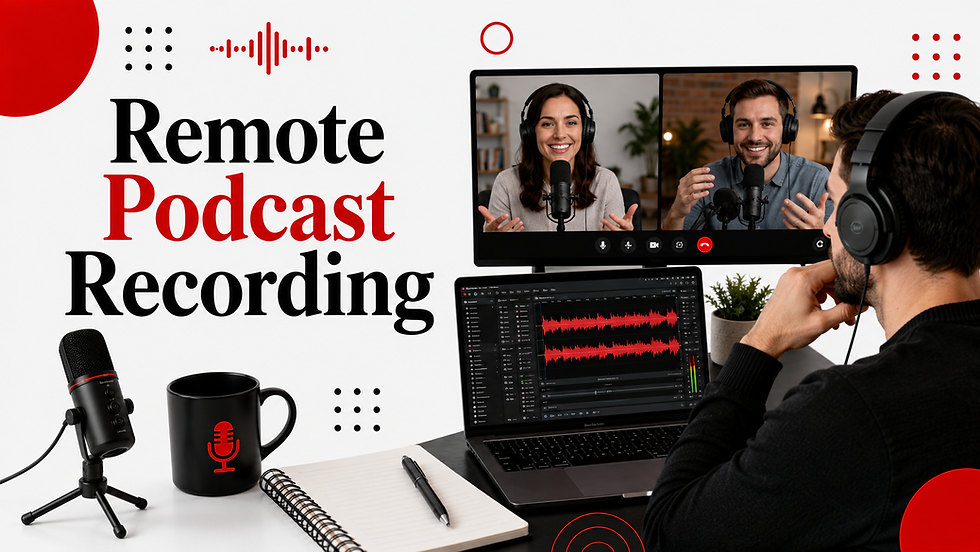
A lifestyle brand that sponsors a popular wellness podcast successfully utilized AI noise reduction technology to enhance audio clarity during remote interviews. This approach not only improved the listening experience but also showcased the brand's commitment to quality. Instead of resorting to voice cloning, the brand opted to invest in transparent host-read advertisements that highlighted the benefits of their products in a genuine and relatable manner. This strategy not only strengthened listener trust but also fostered brand loyalty, as audiences appreciated the authenticity and transparency displayed by the brand. By prioritizing ethical practices while leveraging AI technology, the brand was able to create a positive impact on both the podcast's quality and its relationship with listeners.
How Established Podcasters Can Use AI Responsibly
Podcasters who have cultivated a loyal and engaged audience find themselves in a unique position, especially when it comes to the integration of artificial intelligence (AI) into their production processes. The relationship between podcasters and their listeners is often built on trust, authenticity, and a shared connection. Therefore, if the use of AI begins to feel deceptive or inauthentic, it poses a significant risk to that relationship. To navigate this landscape effectively, podcasters can adopt several practical strategies that not only incorporate AI technology but also prioritize the maintenance of trust with their audience. Here are some detailed tips for integrating AI while ensuring transparency and authenticity:
Use AI noise reduction to polish audio but keep the host’s natural voice intact. In the pursuit of high-quality audio, AI noise reduction tools can be incredibly beneficial. These tools can effectively minimize background noise, eliminate unwanted sounds, and enhance overall audio clarity. However, it is crucial to ensure that the host's unique vocal characteristics and personality remain unaltered. Listeners appreciate the authenticity of the host's voice, and any significant changes could create a disconnect. Therefore, utilizing AI should be seen as a means to enhance the listening experience without compromising the essence of the host's delivery.
Avoid voice cloning unless fully transparent and with listener consent. The technology behind voice cloning has advanced remarkably, allowing for the creation of synthetic voices that can mimic a host's speech patterns. However, this practice can easily cross ethical boundaries if not handled with care. Podcasters should refrain from using voice cloning technologies unless they are completely transparent about its use and have obtained explicit consent from their listeners. By openly discussing the implications and reasoning behind such technology, podcasters can foster a sense of trust and ensure that their audience feels respected and valued.
Disclose any synthetic audio clearly in episode notes or intros. Transparency is key when integrating AI into podcasting. If synthetic audio elements are used—whether they are AI-generated segments or altered audio—it's essential to disclose this information clearly. Including a note in the episode description or mentioning it at the beginning of the podcast can help set expectations for listeners. This practice not only shows respect for the audience's right to know but also reinforces the podcaster's commitment to authenticity.
Leverage AI for transcription and show notes to improve accessibility. One of the most valuable applications of AI in podcasting is its ability to generate accurate transcriptions and detailed show notes. By utilizing AI for these purposes, podcasters can significantly enhance accessibility for their audience, including those who are deaf or hard of hearing. Additionally, well-crafted show notes can provide listeners with a quick overview of the episode's content, making it easier for them to engage with the material. This approach not only broadens the reach of the podcast but also demonstrates a commitment to inclusivity.
Experiment with AI-driven editing tools to save time but review outputs carefully. AI-driven editing tools can streamline the post-production process, allowing podcasters to save valuable time while still producing high-quality content. However, it is vital for creators to carefully review the outputs generated by these tools. Automated editing can sometimes lead to unintended consequences, such as awkward transitions or the removal of critical context. By taking the time to review and refine the AI-generated edits, podcasters can ensure that their final product meets the high standards that their audience expects.
Engage listeners in conversations about AI use to build openness and trust. One of the most effective ways to maintain trust with an audience is through open communication. Podcasters should actively engage their listeners in discussions about the use of AI in their content creation process. This could take the form of listener surveys, Q&A sessions, or dedicated episodes discussing the implications of AI. By inviting feedback and fostering dialogue, podcasters can demystify the technology and involve their audience in the decision-making process, ultimately strengthening the bond between host and listener.
Technical Considerations for Implementing AI Tools
When selecting AI tools for podcast production, podcasters should carefully consider a variety of factors to ensure they choose the most suitable options for their specific needs and workflow:
Compatibility: One of the first aspects to evaluate is whether the AI tool seamlessly integrates with your existing editing software. Compatibility is crucial because a tool that does not work well with your current setup could lead to inefficiencies and additional work. Check if the AI tool supports popular formats and integrates with widely used platforms like Adobe Audition, Audacity, or GarageBand. Additionally, consider whether it offers plugins or APIs that enhance functionality and streamline your production process.
Quality: The quality of the output produced by the AI tool is paramount. It's essential to determine whether the tool preserves the naturalness of voices and avoids introducing unwanted artifacts, such as distortion or unnatural intonations. High-quality audio processing can significantly impact listener engagement and retention. Look for tools that utilize advanced algorithms and machine learning techniques to ensure clarity and fidelity in the final audio product. Listening to samples or conducting tests with the tool can provide insights into its performance.
Speed: In the fast-paced world of podcasting, the speed at which an AI tool processes audio can make a significant difference. Consider how quickly the tool can analyze and edit audio files, especially if you are working with tight deadlines. Tools that offer real-time processing or batch processing capabilities can enhance productivity, allowing you to focus more on content creation rather than technical adjustments. A tool that saves time can be invaluable, particularly in a competitive podcasting landscape where timely releases can impact audience growth.
Cost: Budget constraints are a reality for many podcasters, so evaluating the cost of the AI tools is essential. Determine whether the tool offers a pricing structure that fits within your production budget, whether it is a one-time purchase, subscription-based, or pay-per-use model. Additionally, consider the value offered by the tool in relation to its cost. Some tools may offer free trials or tiered pricing, allowing you to test their features before committing financially. Balancing cost with quality and functionality is key to making an informed decision.
Privacy: In an age where data privacy is a significant concern, it is vital to understand how the AI tool handles your audio data. Investigate whether the tool stores or shares your audio files and what measures are in place to protect your content. Look for tools that prioritize user privacy and provide clear information about their data handling practices. Ensuring that your intellectual property remains secure is essential, especially if you are producing original content that could be vulnerable to unauthorized use.
In addition to these considerations, it is highly recommended to engage in testing multiple tools and reading user reviews to gain insights from other podcasters' experiences. User feedback can reveal potential strengths and weaknesses of the tools you are considering, helping you make a more informed choice. Participating in online forums or communities dedicated to podcasting can also provide valuable recommendations and tips from seasoned podcasters who have navigated similar challenges. By thoroughly researching and evaluating your options, you can find the AI tool that best fits your podcasting needs and enhances your overall production quality.
Frequently Asked Questions
How is AI used in podcast production?
AI is used to automate editing, remove background noise, enhance voice clarity, generate transcripts, and create show notes. It can also assist with content planning, episode structuring, and repurposing content into social media formats.
Does AI improve podcast audio quality?
Yes, AI significantly improves audio quality by cleaning up background noise, balancing levels, and enhancing voice clarity. This helps create a more professional listening experience without requiring complex manual editing.
Can AI fully replace human podcast editors?
No, AI can automate many repetitive tasks, but human input is still important for storytelling, creative decisions, tone, and final quality control. The best results typically come from combining AI efficiency with human expertise.
What are the benefits of using AI in podcast production?
AI reduces production time, lowers costs, improves consistency, and allows creators to scale content creation. It also enables faster turnaround for publishing and content distribution.
How does AI help with podcast editing?
AI editing tools can remove filler words, cut silences, detect mistakes, and allow editing audio by modifying text transcripts. This makes the editing process faster and more accessible.
Can AI generate podcast transcripts and show notes?
Yes, AI can automatically generate accurate transcripts, summaries, and show notes, which can be used for SEO, accessibility, and content repurposing.
How does AI support podcast marketing?
AI helps create short-form clips, write social media captions, generate blog content, and optimize titles and descriptions for better discoverability across search engines and AI platforms.
Is AI-generated podcast content trustworthy?
AI can support content creation, but accuracy depends on how it is used. Human review is essential to ensure factual correctness, maintain brand voice, and build trust with the audience.
What are the risks of using AI in podcast production?
Potential risks include over-automation, loss of authenticity, and errors in transcription or content generation. Without human oversight, AI-generated outputs may reduce credibility.
How can you maintain authenticity while using AI?
Maintaining authenticity involves using AI as a support tool rather than a replacement, keeping the host’s natural voice and perspective, and reviewing all AI-generated content before publishing.
Does AI help with podcast scalability?
Yes, AI enables teams to produce more content in less time by automating editing, transcription, and distribution workflows, making it easier to scale podcast production.
How does AI improve listener experience?
AI improves listener experience by delivering cleaner audio, faster publishing, better-structured content, and more engaging formats such as video clips and highlights.
Can brands use AI-powered podcast production?
Yes, brands use AI to streamline production, maintain consistent quality, and produce scalable content for marketing, thought leadership, and audience engagement.
Do you still need professional production when using AI?
Yes, professional production ensures strategic direction, quality control, and alignment with brand goals. AI enhances the process, but expertise is still key for high-quality outcomes.


Comments