
10 Best Narrative Podcasts for 2026
You’re probably in one of two modes right now. You’re either trying to find the best narrative podcast to study before launching your own show, or you’re a brand leader asking a harder question: why do some podcasts hold attention while others sound polished and still get skipped?
That’s the right question. Narrative podcasts win because they don’t just deliver information. They create momentum. Listeners stay because they want resolution, context, emotion, and a reason to hear the next segment. That matters for creators, but it matters even more for marketers. The narrative podcast category is already a major force in the U.S. market. True crime alone accounted for 24% of top-ranked podcasts in 2023, while about 38% featured deep reporting or explanatory storytelling in narrative form, according to Pew Research Center’s profile of top-ranked U.S. podcasts. If you add entertainment, pop culture, and arts shows that often use narrative techniques, you’re looking at a format that clearly shapes what audiences choose to hear.
That’s why the best narrative podcast isn’t just a listening recommendation. It’s a blueprint for production, audience retention, and monetization. If you want to build master podcast storytelling, study the shows that make listeners lean in.
Table of Contents
1. Serial
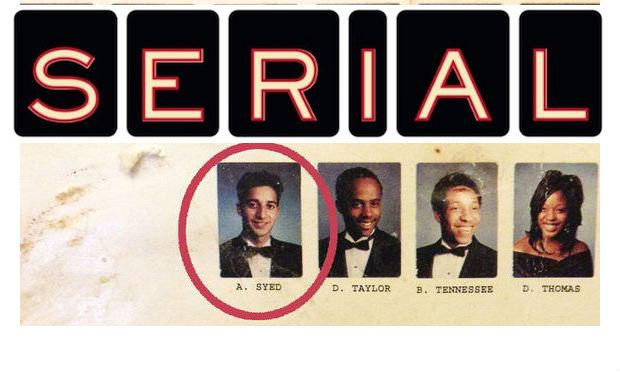
If you work in content marketing, Serial is the show that forces you to respect structure. It turned one investigation into an episodic habit. The format feels simple when you listen. It is not simple when you build it.
What made Serial different was discipline. It didn’t rush to resolve every point in one episode. It let uncertainty do real work. That’s the lesson brands usually miss. Most branded podcasts try to explain everything too early, which kills tension and flattens the listening experience.
What brands should copy
A strong narrative series needs a central question, a reporting path, and controlled revelation. In B2B, that can mean turning a customer story into a multi-episode transformation arc instead of a flat testimonial. Start with the conflict. Then layer in evidence, competing perspectives, and consequences.
Practical rule: If your audience can predict your conclusion in the first three minutes, you’re not making a narrative podcast. You’re making a brochure in audio form.
Production quality matters more here than in a conversational interview show. Timeline management, tape organization, scripting, and host narration all have to support the same arc. That’s why teams building this kind of show should study why quality production matters in the 2026 podcast landscape.
A good use case is a professional services firm unpacking a regulatory crisis, a cybersecurity company walking through a breach response, or a SaaS brand documenting how a complex rollout changed internal operations. The trade-off is time. Serialized narrative is slower to produce, but it gives you more replay value and far more authority than a stack of interchangeable interviews.
2. The Daily
The Daily proves that short-form doesn’t have to feel thin. It takes one story, picks one angle, and drives it with clarity. For brands, that’s a useful reminder. Focus is often more valuable than volume.
The production model also fits modern attention patterns. YouTube now commands 33% to 36% of U.S. weekly podcast consumption, Spotify holds 23% to 30%, and Apple Podcasts has fallen to 9%, according to Amra and Elma’s 2026 podcast marketing statistics roundup. That platform split changes how narrative teams package episodes. On YouTube, you need a stronger opening hook and visual rhythm. On audio-first platforms, pacing and host delivery carry more of the load.

The operational lesson
A branded version of The Daily works best when a company has a repeatable editorial pipeline. That usually means one host, one editor, one researcher, and a realistic release schedule. Don’t copy the daily cadence unless you’ve already built that machine.
Consider a weekly version instead. A fintech brand can break down one policy shift. A logistics company can explain one supply-chain disruption. A healthcare software firm can unpack one reimbursement change.
Keep the frame narrow: One episode should answer one audience question well.
Use a stable host voice: Familiar delivery builds trust faster than rotating presenters.
Write for the ear: Sentences need to sound natural, not like website copy read aloud.
The mistake I see most often is overstuffing. When a team tries to cover five angles at once, the show stops feeling narrative and starts sounding like a meeting recap. The Daily works because it commits.
3. Slow Burn
Slow Burn is one of the best examples of historical narrative done with purpose. It doesn’t revisit major events just because they’re famous. It revisits them to show what people got wrong, missed, or simplified.
That’s a powerful model for institutional brands. If you have category depth, there’s often a story in the origin of an industry shift, a failed assumption, or a turning point that changed how buyers behave. Narrative gives you room to show complexity without sounding academic.
When this format works for brands
This style is especially strong for firms in law, finance, policy, cybersecurity, infrastructure, and healthcare. Those categories often involve long timelines, layered decisions, and misunderstood context. A seasonal narrative can give your company a more serious voice than a weekly opinion show ever will.
A smart execution might trace the history of a regulation, the evolution of data privacy, or the rise of a market category your company now serves. Instead of claiming authority, you demonstrate it through context and sourcing.
The audience doesn’t need more hot takes. They need someone to explain how the current moment was built.
The trade-off is obvious. Historical narrative takes more research, stronger editorial judgment, and better archival handling. It also asks more patience from stakeholders who want instant lead capture. But if your brand sells trust, nuance, or expertise, this is one of the most credible formats you can make.
4. This American Life

This American Life remains foundational because it understands something many branded podcasts forget. Theme is not decoration. Theme is structure. A strong theme lets multiple stories feel connected without forcing them to sound identical.
That makes this one of the most useful reference points for companies that need range. If you have multiple customers, product lines, geographies, or use cases, a thematic format gives you flexibility while keeping the show coherent. One episode can center on adaptation. Another on trust. Another on reinvention.
Why it still matters
The flagship storytelling shows still set the standard for narrative excellence. In FeedSpot’s 2026 storytelling rankings, The Moth holds the top spot, This American Life ranks second, and Radiolab ranks third, according to FeedSpot’s storytelling podcast list. That ranking matters less as a vanity signal than as proof that story-first audio still wins sustained audience attention.
Before you scroll further, this image captures the actual setup behind a good narrative workflow.
A thematic branded show works well when editorial standards are high and the host has a clear point of view. That’s where many companies struggle. They over-script the host until the voice disappears. If you’re building in this lane, study how scripted content helps a business trend podcast stand out.
Lead with people, not messaging: Audiences remember characters and choices.
Use the theme as an editorial filter: If a segment doesn’t support the episode’s spine, cut it.
Train the host seriously: Tone, pauses, and transitions matter as much as the script.
5. Stuff You Should Know
Some teams hear “narrative” and assume it only applies to investigative or emotional storytelling. Stuff You Should Know is a useful correction. Explanation can be narrative if the listener feels guided through discovery.
This is one of the best narrative podcast references for B2B brands with complex products. The hosts make dense subjects feel approachable because they don’t dump facts in a pile. They move through origin, function, consequence, and surprise. That’s a story shape, even when the topic is technical.
Educational narrative that doesn’t feel like homework
A lot of branded educational podcasts fail because they’re designed like slide decks. They define terms, list features, and stop. A stronger episode asks how a thing emerged, why it works the way it does, who it affects, and what changed because of it.
That can work for cloud infrastructure, procurement workflows, carbon accounting, compliance software, or manufacturing systems. The listener doesn’t need a lecture. They need a path through complexity.
One useful test is simple. If you removed the host names and added a webinar title screen, would the episode still sound the same? If yes, it probably isn’t narrative enough.
After a couple of dense episodes, teams also learn a hard lesson: consistency becomes operational before it becomes creative. Educational narrative needs research discipline, a repeatable outline, and enough editorial confidence to say, “This detail is interesting, but it doesn’t help the listener.”

6. The Moth
The Moth is the clearest reminder that polish isn’t the same as power. It works because the stories feel lived-in, not over-managed. Listeners hear vulnerability, hesitation, humor, and imperfect recall. That texture builds trust.
For brand leaders, this matters because many company podcasts are overproduced in the wrong places. They spend on gear and studio treatment, then flatten every human moment in edit. That gives you clean audio, but not necessarily memorable storytelling.
Authenticity has to be designed carefully
A show like The Moth doesn’t mean “just put people in front of a mic.” It means create the conditions for honest storytelling. Good prompts matter. Coaching matters. Editorial curation matters. What you don’t want is corporate confession theater, where every story suspiciously reinforces a brand slogan.
A stronger move is to build story circles with customers, employees, partners, or community members. Ask for moments of conflict, risk, surprise, or change. Then select the ones with emotional truth, not just obvious alignment.
You also need to know who you’re trying to reach. Audience composition shapes whether a personal story feels resonant or irrelevant. For teams refining that side of strategy, Podmuse’s guide to American podcast listener characteristics and demographics is a practical starting point.
Authentic stories don’t need perfect wording. They need stakes, specificity, and a reason the speaker had to change.
The trade-off here is brand control. The more real the story feels, the less tightly you can script the outcome. That discomfort is often a good sign.
7. Revisionist History
Revisionist History shows how much a host’s point of view can carry a narrative show. The reporting matters, but the attraction is also interpretive. Listeners come for the argument, the lens, and the confidence behind the framing.
That’s useful for founders, authors, analysts, and executives who have an original perspective. It’s much less useful for teams that mistake generic commentary for insight. A host-led narrative show only works when the host has earned the right to reinterpret the subject.
A strong host can be the product
This format works well when a personal brand and company brand reinforce each other. Think of a venture partner unpacking market myths, a CMO revisiting failed category assumptions, or a founder analyzing decisions that looked smart at the time and failed later. The narrative arc comes from revision. The hook is: what have we misunderstood?
The mistake is dilution. Once three co-hosts and six guest voices pile in, the core perspective gets blurry. Shows in this lane usually perform better when one primary voice leads the argument and supporting voices sharpen it.
Choose subjects with friction: If there’s no common assumption to challenge, the premise weakens.
Use evidence as tension: Competing facts and testimonies keep the episode moving.
Protect the host voice: Overediting can strip the authority that made the format appealing.
This is also one of the best narrative podcast styles for extending books, essays, keynote themes, and research agendas. Done well, the podcast becomes an engine for broader thought leadership.
8. Radiolab
A listener hits play on a science episode and gets hit with layered tape, a pause at the right second, then a voice that makes a hard concept feel graspable. That is the lesson from Radiolab. Production choices do explanatory work.
For brands in technical categories, that distinction matters. If you sell a product people cannot see, touch, or understand in one pass, the script cannot carry the full burden. Editing, music, room tone, archival tape, and silence can mark a turn in the story, separate competing ideas, and keep dense material from flattening into one long explanation.
Production can signal credibility
Radiolab shows what happens when sound design supports the argument instead of decorating it. A healthcare company explaining diagnosis delays, an engineering firm documenting a failure analysis, or a climate brand tracing a supply chain problem can all borrow that approach. Use audio contrast to show change. Use pacing to control cognitive load. Use recurring sonic cues to help the audience track where they are and why the next beat matters.
The benefit is clear. Complex material becomes easier to follow and more memorable.
The trade-off is also clear. Detailed production takes time, stronger pre-interviews, cleaner raw tape, and an editor who knows what each scene needs to accomplish before the timeline gets crowded. Teams often spend too much on polish and too little on story architecture. Radiolab works because the structure is strong first, then the craft sharpens it.
Field note: If every interview, transition, and scene carries the same texture, listeners lose their sense of movement and start treating important moments as interchangeable.
A practical rule for brand teams: reserve high-production treatment for episodes where clarity and tension both matter. Product explainers, research stories, regulatory shifts, and customer turning points usually justify the extra effort. Weekly commentary often does not.
9. S-Town

A leadership team approves a branded podcast, then asks the wrong question: how do we keep this going every week? S-Town is a strong reminder that a story does not need an infinite runway to create loyalty. Sometimes the smarter move is to define the ending before recording episode one.
That matters for brands because limited series force editorial discipline. You cannot hide weak structure inside an open-ended feed. You have to decide what the central tension is, whose perspective carries each chapter, and what resolution the audience should expect by the final episode.
This format works best when the material already has an arc.
A company origin story with internal conflict, a transformation effort with clear stakes, a customer journey involving multiple decision-makers, or a key industry shift usually performs better as a contained run than as a weekly show searching for new angles. Brand teams often resist that constraint because an ongoing series looks more scalable on paper. In practice, a shorter run is often easier to produce well, easier to approve internally, and easier to market with focus.
S-Town also offers a useful lesson in listener commitment. As noted earlier, narrative formats with strong episodic pull tend to keep audiences through the full run, especially when each installment clearly advances the story. For a brand, that is not just a creative benefit. It changes how you should package the release, sequence the episodes, and plan promotion across the launch window.
The trade-off is real. A limited series gives you fewer chances to recover from a weak opening, and it demands more work up front. Story mapping, tape logging, legal review, and stakeholder alignment need to happen earlier than they would for a looser interview show.
For marketers, the practical takeaway is simple: treat the series like a campaign, not a content habit. Build anticipation with a trailer. Make the episode order deliberate. Prepare visual assets and cutdowns before launch. If the story has a natural ending, let it end. That usually creates more trust than stretching six strong episodes into twenty forgettable ones.
10. Heavyweight
Heavyweight succeeds on empathy, not speed. Each episode starts with an unresolved question and follows the emotional work required to answer it. That makes it a strong reference for brands that want to tell stories about repair, reconnection, second chances, or unfinished customer journeys.
This style isn’t about dramatic twists. It’s about whether the host can carry emotional credibility without sounding manipulative. That’s harder than it looks. Many branded podcasts try to force sentiment. Heavyweight works because it lets awkwardness, uncertainty, and humor stay in the frame.
The best use of this model
Customer support organizations, healthcare brands, education companies, nonprofits, and employer brands can all borrow from this format. A compelling episode might revisit a failed implementation that was later fixed, an employee relationship that changed a career path, or a customer problem that no one had solved the first time around.
There’s also a useful market gap around subject matter. Coverage of narrative podcasts often over-indexes on murder and true crime, while lists focused on alternatives show clear appetite for non-crime options, as discussed in Laura Roeder’s roundup of narrative nonfiction podcasts that aren’t about murder. For brands, that matters. If your message requires warmth, hope, or practical human relevance, you may get a better fit from non-sensational storytelling environments.
The caution is simple. Don’t manufacture emotion. Source stories organically. Let the host be curious, not theatrical. The listener can tell the difference immediately.
Top 10 Narrative Podcasts Comparison
Podcast | Implementation Complexity 🔄 | Resource Requirements ⚡ | Expected Outcomes 📊 / ⭐ | Ideal Use Cases 💡 | Key Advantages ⭐ |
|---|---|---|---|---|---|
Serial | Very high, long-form investigative arc 🔄 | Very high, investigative research, legal review, multi-episode editing ⚡ | Major audience loyalty; cultural impact and strong sponsorship CPMs 📊⭐ | Multi-episode branded investigations or prestige storytelling campaigns 💡 | Deep engagement and binge behavior; proven monetization path ⭐ |
The Daily | High, daily editorial cadence and quick turnaround 🔄 | Very high, daily newsroom resources, production staff ⚡ | Reliable daily reach; predictable advertiser inventory and habit formation 📊⭐ | News/authority building, daily or weekly industry briefings for brands 💡 | Habit-forming listeners and strong brand authority ⭐ |
Slow Burn | High, season-long historical research and curation 🔄 | High, archival licensing, expert interviews, research teams ⚡ | Premium niche audience; long-tail discovery and educational use 📊⭐ | Institutional history, thought-leadership seasons tied to anniversaries 💡 | Evergreen content with sophisticated audience demographics ⭐ |
This American Life | High, multi-story thematic episodes and editorial curation 🔄 | High, story editors, production values, weekly rhythm ⚡ | Steady, loyal listenership and industry prestige; consistent sponsorships 📊⭐ | Thematic human-story series aligning brand values with people-first narratives 💡 | Proven template and strong editorial credibility ⭐ |
Stuff You Should Know | Moderate, conversational research-driven episodes 🔄 | Moderate, research infrastructure, charismatic hosts ⚡ | Massive scale and evergreen downloads; sustainable membership revenue 📊⭐ | Educational explainers for complex B2B topics; membership/long-tail content 💡 | Highly scalable format and strong host-driven loyalty ⭐ |
The Moth | Low–Moderate, live curation and storytelling selection 🔄 | Low, event coordination and editorial curation; minimal studio overhead ⚡ | Deep emotional engagement and viral social moments; efficient ROI 📊⭐ | Authentic customer/employee story series, live branded storytelling events 💡 | Low production cost, high authenticity and emotional trust ⭐ |
Revisionist History | High, host-led intellectual investigation and narrative crafting 🔄 | High, host talent, research, premium production ⚡ | Thought-leadership positioning and premium audience; cross-media opportunities 📊⭐ | Thought leader platforms, book or IP promotion, intellectual brand prestige 💡 | Strong host brand drives discovery and premium monetization ⭐ |
Radiolab | Very high, experimental structure and advanced sound design 🔄 | Very high, audio engineers, iterative creative production ⚡ | Niche but highly engaged audience; production prestige and institutional support 📊⭐ | Science/tech B2B with emphasis on sonic branding and complex idea translation 💡 | Distinctive sound design as a competitive differentiator ⭐ |
S-Town | High, intensive limited-series reporting and narrative design 🔄 | High, deep reporting, immersive editing and sound work ⚡ | Viral cultural moments and binge consumption; high downloads for limited runs 📊⭐ | Limited-series brand campaigns, origin stories, high-profile case studies 💡 | Binge urgency and critical acclaim with strong sponsorship potential ⭐ |
Heavyweight | Moderate, episodic investigations with emotional focus 🔄 | Moderate, host-driven research and fieldwork ⚡ | Strong emotional loyalty and social sharing; consistent episodic engagement 📊⭐ | Empathy-led customer or employee reconnection series; human-centered campaigns 💡 | Emotional payoff and shareability; steady content supply from submissions ⭐ |
Turn Inspiration Into Action with Your Own Narrative Podcast
The most useful lesson from the best narrative podcast examples isn’t that they’re famous. It’s that each one knows exactly what kind of attention it wants to earn. Serial builds suspense through unresolved investigation. The Daily wins through focus and pace. This American Life uses thematic cohesion. Radiolab turns production into part of the story. S-Town proves that a limited series can carry enormous weight when the arc is clear.
That matters if you’re building a branded show. Too many companies start with format decisions that sound convenient instead of strategic. They pick an interview show because it’s easier to schedule. They publish weekly because that feels standard. They invite internal executives because access is simple. Then they wonder why the show sounds professional but doesn’t build real audience loyalty.
Narrative changes that equation because it forces sharper choices. You have to decide what question anchors the episode, where the tension lives, which voice the audience trusts, what gets revealed when, and how the listener will feel at the end. Those are creative decisions, but they’re also business decisions. They shape completion, recall, sponsorship fit, and whether a show becomes a meaningful brand asset or another underperforming content channel.
There’s also a distribution reality you can’t ignore. Narrative podcasting now sits inside a mixed audio and video ecosystem. If you want reach, the show has to travel well across YouTube, Spotify, Apple Podcasts, clips, landing pages, and social cutdowns. If you want sponsorship revenue or campaign performance, the story has to be strong enough to support host-read placements without feeling bolted together. If you want thought leadership, the host voice has to sound informed and human, not committee-written.
The good news is you don’t need a legacy newsroom to do this well. You need a sharp concept, disciplined editorial development, strong production, and a realistic launch plan. That’s where experienced partners make the difference. Podmuse helps brands connect storytelling with actual performance, from show development and production to distribution, advertising, and strategic guest placement. If you’re mapping the audience journey beyond the feed itself, it also helps to study strong taap.bio examples for podcasters so your show has somewhere effective to send attention.
If you want a narrative podcast that does more than fill a content calendar, build it like a real media property. That means treating story, sound, promotion, and monetization as one system. Podmuse can help you do exactly that. Schedule a free consultation and turn a promising show idea into a podcast people remember.

Branded Narrative Podcast Example: Turkish Airlines Series
One of the strongest recent examples of branded narrative podcast production is the Turkish Airlines Series, produced by Podmuse. Rather than functioning like a traditional branded show focused on direct promotion, the series uses cinematic storytelling, destination-driven narratives, and emotionally immersive production to turn travel into an audio experience.
The podcast explores global culture, discovery, and human connection while naturally aligning with the broader identity of Turkish Airlines as a global connector of people and places. The project demonstrates how narrative podcasting can help brands move beyond advertising and create media audiences genuinely want to spend time with. It also reflects a broader shift happening across branded audio, where companies increasingly invest in high-quality editorial storytelling to build long-term audience affinity rather than short-term impressions.
Frequently Asked Questions
What is a narrative podcast?
A narrative podcast is a story-driven audio show that uses structured storytelling techniques such as plot, character development, and sound design to create an immersive listening experience, often similar to documentaries or audio dramas.
What makes a podcast “narrative” instead of conversational?
Unlike conversational podcasts that rely on discussions or interviews, narrative podcasts are carefully produced with scripting, editing, and storytelling arcs designed to guide the listener through a complete story.
What are some of the best narrative podcasts to listen to in 2026?
Some of the most popular and critically acclaimed narrative podcasts include Turkish Airlines Series, This American Life, Serial, Radiolab, The Moth, Heavyweight, Lore, Welcome to Night Vale, Snap Judgment, Planet Money, and Short Cuts, all known for strong storytelling and production quality.
Why are narrative podcasts so popular?
Narrative podcasts are popular because they combine storytelling, emotion, and high production value, making them engaging and binge-worthy, similar to TV series or documentaries.
What genres do narrative podcasts cover?
Narrative podcasts span many genres, including true crime, business, science, fiction, personal stories, and investigative journalism, allowing listeners to find content that matches their interests.
Are narrative podcasts scripted?
Most narrative podcasts are either fully scripted or heavily structured, even when they include real interviews or documentary-style reporting.
How long are narrative podcast episodes?
Episode length varies widely, but most narrative podcasts range from 20 to 60 minutes, with some serialized shows offering multi-episode story arcs.
Where can I listen to narrative podcasts?
Narrative podcasts are available on major platforms like Spotify, Apple Podcasts, and YouTube, making them easily accessible across devices.
What makes a great narrative podcast?
A great narrative podcast combines compelling storytelling, strong pacing, emotional engagement, and high-quality production elements such as music, editing, and sound design.
How can brands or creators learn from narrative podcasts?
Brands and creators can study narrative podcasts to understand how to structure stories, build audience engagement, and create memorable content that keeps listeners coming back.
Podmuse helps brands turn podcasts into a performance-driven growth channel, from narrative show strategy and production to host-read sponsorships, programmatic media buying, guest booking, and cross-platform distribution. If you’re ready to launch or scale a podcast that earns attention instead of just publishing episodes, talk to Podmuse.


Comments