
Raising the Bar: The Importance of Quality Production in 2026's Podcast Landscape

Updated: Apr 28
The podcast world has changed dramatically. With AI tools making content creation easier than ever, the market is flooded with shows that often feel rushed, unpolished, or generic. This surge in quantity has made quality production the new dividing line between podcasts that thrive and those that fade into obscurity. In 2026, listeners expect more than just good ideas—they demand immersive, cinematic audio experiences that reflect professionalism and care.

Why Production Value Has Become the New Barrier to Entry
The rise of AI-generated content has lowered the cost and effort needed to produce podcasts. While this democratization is positive, it has also led to an overwhelming amount of low-quality shows. These often suffer from poor audio clarity, inconsistent editing, and lack of engaging sound design. As a result, listeners have become more selective, associating high production value with trustworthiness and authority.
Brands and creators who invest in professional editing, sound mixing, and cinematic audio techniques stand out. Their shows feel polished and engaging, which builds listener loyalty and attracts sponsorships. In contrast, mediocre production can make even the best content seem amateurish.
The Role of Cinematic Audio in Capturing Attention
Cinematic audio goes beyond clear speech. It uses layered sound effects, music, and spatial audio techniques to create an immersive environment. This approach helps listeners feel connected to the story or message, increasing engagement and retention.
For example, a true crime podcast that uses subtle background sounds like footsteps, distant sirens, or echoing voices can transport listeners into the scene. A business podcast with crisp voiceovers and smooth transitions keeps the audience focused and signals professionalism.
Professional Editing as a Signal of Authority
Editing shapes the listener’s experience. It removes distractions like awkward pauses, background noise, and filler words. It also ensures pacing keeps the audience interested without overwhelming them.
Brands that hire skilled editors demonstrate respect for their audience’s time and attention. This respect translates into perceived authority and credibility. Listeners are more likely to recommend shows that sound professional and well-crafted.
How to Create a High-Quality Podcast Recording
Creating a high-quality podcast starts with controlling your recording environment. Choose a quiet space with minimal echo—rooms with soft furnishings like rugs, curtains, and upholstered furniture help absorb sound and reduce reverb. Avoid large empty rooms or areas with hard surfaces. Position your microphone properly, about 6–10 inches from your mouth, and use a pop filter to eliminate harsh plosive sounds. Even small adjustments in mic placement and room setup can dramatically improve clarity and professionalism.
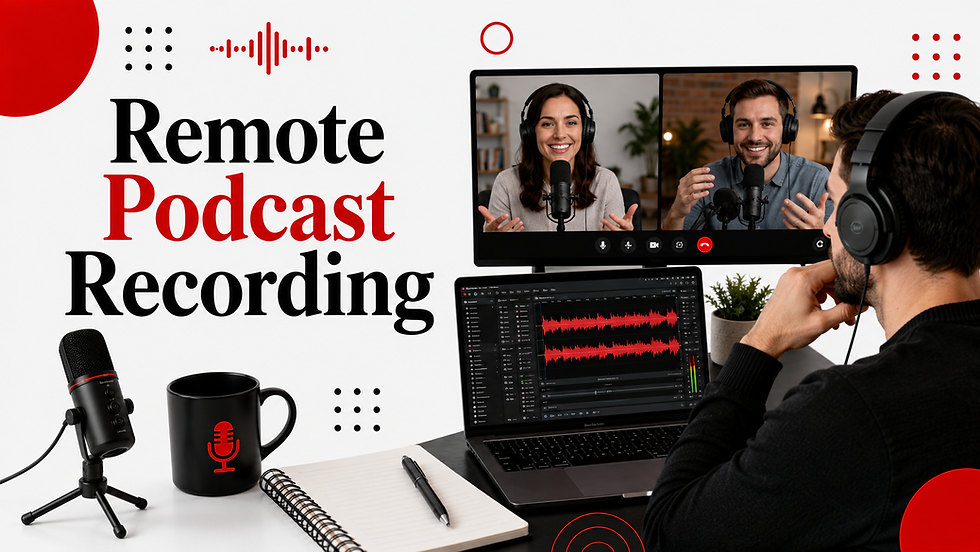
Next, invest in the right equipment and recording setup. A good USB or XLR microphone is essential, paired with reliable headphones to monitor audio in real time. Record at consistent levels—your voice should be strong but never clipping—and use recording software like Audacity or Adobe Audition to capture clean audio. If you’re recording remotely, ensure stable internet connections and consider using dedicated platforms that record each participant locally for better quality.
Finally, focus on post-production and consistency. Editing is where a good recording becomes a great one—remove background noise, normalize volume levels, and apply light compression and EQ to enhance vocal presence. Keep your audio levels consistent across episodes so listeners don’t need to adjust volume constantly. Develop a repeatable workflow, from recording to publishing, to maintain quality over time. Consistency in sound quality builds trust with your audience and makes your podcast feel polished and professional.
Practical Steps for Brands to Improve Podcast Production
Investing in quality production does not mean breaking the bank. Here are some practical ways brands can raise their podcast standards:
Hire experienced audio editors who understand pacing, tone, and clarity.
Use high-quality microphones and recording equipment to capture clean sound.
Incorporate music and sound effects thoughtfully to enhance storytelling.
Apply noise reduction and equalization to improve audio clarity.
Plan episodes with a clear structure to maintain listener interest.
Test episodes with sample audiences to gather feedback on production quality.
Brands that prioritize these steps will create podcasts that stand out in crowded feeds and build lasting connections with their audience.
Examples of Brands Leading the Way
Several brands have already embraced high production values to great effect:
Spotify’s Originals use cinematic sound design and professional editing to create immersive experiences that attract millions of listeners.
NPR’s podcasts maintain consistent audio quality and storytelling standards, reinforcing their reputation for trustworthy content.
Independent creators who invest in professional studios and editors often see higher listener retention and sponsorship opportunities.
These examples show that quality production is not just a nice-to-have but a strategic investment.
The Future of Podcasting Depends on Quality
As AI continues to generate more content, the podcast market will become even more crowded. Listeners will gravitate toward shows that offer clear, engaging, and professionally produced audio. Brands that ignore production quality risk losing their audience to competitors who deliver better experiences.
In 2026, quality production is a signal of care, authority, and respect for listeners. It is the key to building trust and standing out in a sea of mediocre shows.
Frequently Asked Questions
Why is production quality more important for podcasts in 2026?
Production quality is more important because the podcast market is more competitive than ever, and listeners expect clear audio, strong editing, and a polished experience similar to other premium media formats.
What defines high-quality podcast production?
High-quality production includes clean audio, balanced sound levels, professional editing, strong storytelling, and, increasingly, well-produced video elements for multi-platform distribution.
How does production quality impact listener retention?
Better production quality improves listener retention by making content easier to follow, more enjoyable, and more professional, reducing drop-off rates during episodes.
Can high production quality improve podcast growth?
Yes, higher production quality increases credibility, encourages sharing, and improves performance across platforms, which can accelerate audience growth.
Is it necessary to invest heavily in production from the start?
Not necessarily, but investing in good audio quality and basic editing early on can make a significant difference, with more advanced production added as the podcast grows.
How does video production factor into podcast quality?
Video production enhances visibility and engagement, especially on platforms like YouTube, where visual presentation plays a key role in attracting and retaining viewers.
What are common production mistakes to avoid?
Common mistakes include poor audio quality, inconsistent volume levels, lack of editing, distracting background noise, and neglecting visual quality in video podcasts.
How can AI improve podcast production quality?
AI tools can assist with noise reduction, editing, transcription, and content optimization, helping creators produce higher-quality content more efficiently.
Does production quality influence monetization opportunities?
Yes, brands and advertisers are more likely to partner with podcasts that have professional production, as it reflects credibility and ensures a better listener experience.
Who should prioritize high production quality?
Both individual creators and brands should prioritize production quality, especially those aiming to build authority, grow audiences, and compete in a crowded podcast landscape.


Comments